In a city as busy as Bangalore, building a flyover isn’t just about pouring concrete it’s about managing extreme pressure in very tight spaces. When you’re constructing massive elevated corridors or Metro lines, you aren’t just looking for a way to get workers up high; you’re looking for a temporary foundation that can hold thousands of tons. This is where heavy-duty shoring for bridges Bangalore becomes the most important part of your site.
Think of “falsework” or shoring as the invisible skeleton that holds a bridge together until it can stand on its own. While standard scaffolding is for people, shoring is for weight. This guide breaks down the technical side of high-load systems, from managing ground vibrations to getting the “camber” just right, ensuring your project meets the latest 2026 safety mandates in Bangalore.
Key Insight: Shoring is the temporary foundation of your project. In infrastructure, the support system is just as vital as the final bridge.
Shoring vs. Scaffolding: The Critical Distinction in Bridge Engineering
To a passerby, the metal frames under a new flyover might look like regular scaffolding. But for an engineer, the difference is night and day. Scaffolding is a tool for access it’s a safe place for people to stand. Heavy-duty shoring solutions, however, are structural supports.
The job of shoring is to carry the “dead load” (the massive weight of wet concrete and steel) and the “live load” (machinery and workers) until the structure cures. Because of this, heavy-duty shoring for bridges Bangalore must be incredibly rigid. Unlike access scaffolding, which has a bit of “give,” shoring cannot budge.
For example, when setting up bridge deck support, we often use cuplock scaffolding systems. Its node-locking system is much stronger than standard frames. Even a few millimeters of shift during a concrete pour can cause cracks or ruin the alignment of a bridge span. We treat these systems as engineered structures, not just ladders.
Why Bangalore’s Flyovers Demand Specialized Support Systems
Bangalore is a city of “tight corners.” When building flyover scaffolding support in crowded spots like Vijayanagar or the Outer Ring Road, we are fighting for every inch. We have to build high and strong while keeping traffic moving below. Providing scaffolding for bridge construction Bangalore is one of the toughest urban challenges because the support needs to be both massive in strength and compact in size.
Shoring for Cast-in-Situ vs. Pre-Cast Girders
The type of bridge shoring systems you need depends on your build method:
- Cast-in-situ: You pour the concrete on-site. The shoring must stay perfectly still for days under the full weight of the wet pour.
- Pre-cast: You lift finished segments into place. Here, the girder support must handle the sudden, heavy force of a segment being lowered by a launcher.
Precision Leveling: Managing Deflection and Camber
One of the hardest parts of high-load shoring scaffolding is getting the “camber” right. Bridges are designed with a tiny upward curve so they level out once cars start driving on them. We control this using screw jack adjustment. By fine-tuning the jacks at the base and the top, we maintain total camber control, ensuring the bridge doesn’t sag or “deflect” while drying.
The Engineering Core: Load Calculations and Safety Factors
In bridge work, we don’t guess we do the math. When supporting a 50-ton span over a Bangalore street, understanding the advanced infrastructure scaffolding Bangalore requirements is your only real safety net. We calculate the dead load and live load long before the first pipe is delivered.
To stay safe, we follow BIS 2750 standards and use a safety factor of 4:1. This means the system is built to hold four times the weight we actually expect. This buffer is critical for handling sudden wind or the vibration from a concrete pump. This technical focus is what separates pro-grade shoring from basic rental gear.
2026 Safety Protocols for High-Altitude Shoring
Safety at 15 meters in the air requires more than just a helmet. In 2026, shoring safety standards in Bangalore have become much tougher. A big concern here is traffic vibration. Thousands of vehicles passing by can slowly loosen standard couplers.
Our protocols include:
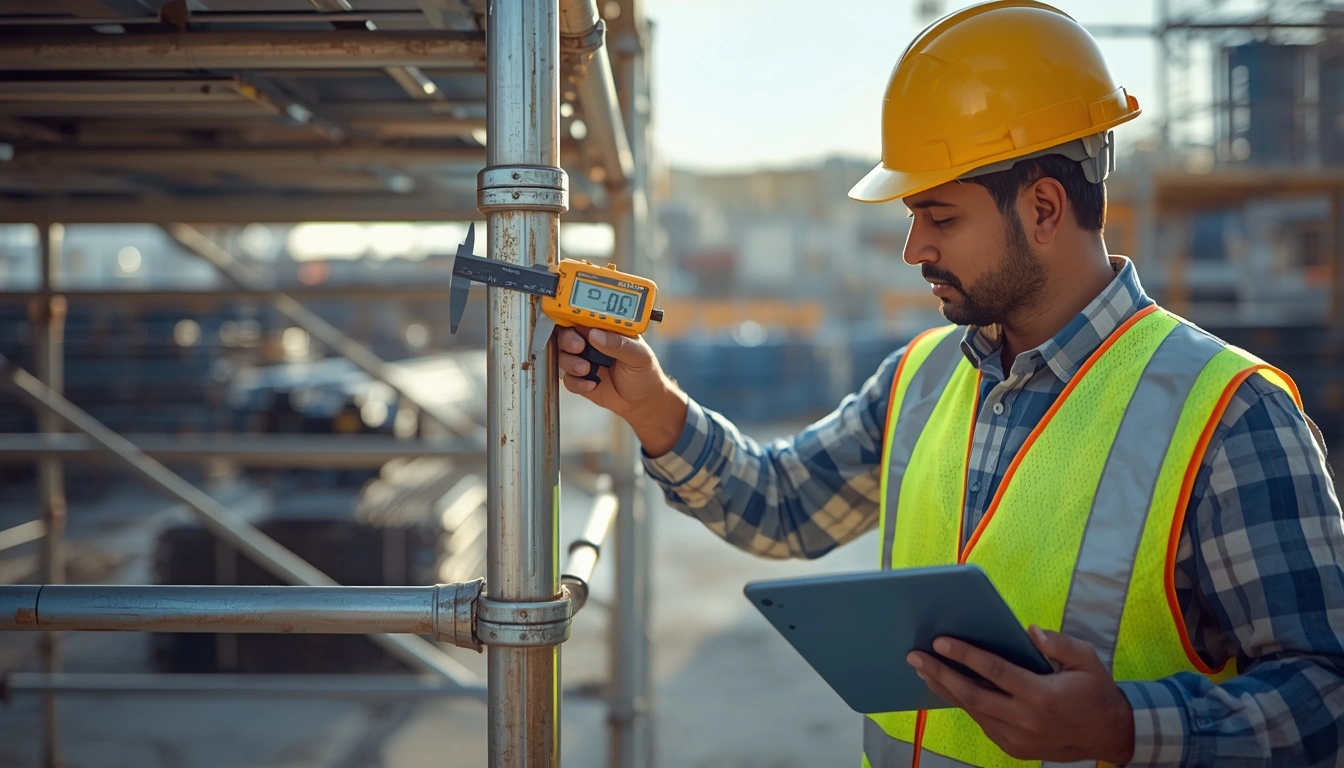
- Torque Checks: We check critical junctions every 48 hours to ensure nothing has rattled loose.
- Integrated Fall Protection: Guardrails and harness points are built directly into the shoring.
- Daily Inspections: A certified officer must check for ground settlement to ensure the heavy weight hasn’t pushed the base plates into the soil.
Using a daily scaffolding inspection checklist is the best way to keep up with current safety mandates.
FAQs: Engineering Queries for Bridge Shoring
1. Why does bridge shoring cost more than regular scaffolding?
Shoring is a load-bearing engineered system. It uses higher-grade steel and precision parts like heavy U-heads. It’s an investment in structural failure prevention.
2. How do you prevent failure during a pour?
We start with a pre-pour audit, checking that every standard is “plumb” (straight). We monitor the shoring constantly during the pour. If it moves even a hair, we stop and adjust.
3. Is your gear compliant with BIS 2750?
Yes. For bridge shoring rentals Bangalore, compliance isn’t optional. It ensures the steel won’t buckle under massive axial loads.
4. What are the logistics for a large rental?
Because Bangalore sites are narrow, we use “just-in-time” delivery. We bring only what is needed for the current span to keep the site clear and safe.
Action Steps: Executing a Zero-Failure Shoring Plan
- Structural Audit: Have a shoring engineering partner review your blueprints early. Identify soil stability issues or traffic clearance needs.
- Load Testing: Once the shoring is up, verify it against your weight calculations. This is vital on uneven terrain.
- Safety Loop: Use a daily scaffolding inspection checklist and stick to the official 2026 safety mandates in Bangalore.
At Sri Kanakadri Scaffolding, we handle the heavy-duty needs of Bangalore’s growth. Whether it’s a Metro station or a new flyover, we have the inventory and expertise to keep your project on solid ground.
Common Mistakes to Avoid
The most common mistake? Ignoring the soil. Thousands of tons of weight on a few base plates can cause the ground to shift. If the ground settles unevenly, the shoring tilts, and the whole system is at risk.
Another error is mixing gear. Never mix couplers from different brands. In heavy-duty shoring for bridges Bangalore, tolerances are too tight for “close enough.” Always use a single, certified system for the whole span.
Expert Tip: Use “sequential tightening.” When adjusting jacks for camber, don’t crank one all the way at once. Adjust them in small steps across the grid so the load distribution stays even. This keeps any single pole from being overloaded.
Contact Sri Kanakadri Scaffolding today for professional rental solutions and expert safety guidance tailored to your Bangalore project.
Phone: +91 9113276916
Visit our Google My Business Listing for Directions

About Sri Kanakadri Scaffolding Author – Sri Kanakadri provide Bangalore’s most reliable scaffolding on rental services, offering safe, cost-effective, and top-quality scaffolding rental solutions for all construction projects. With years of expertise, Sri Kanakadri Scaffolding is committed to delivering exceptional scaffolding on rental services in Bangalore that exceed client expectations. Our focus is on safety, quality, and affordability for every construction project. e specialize in scaffolding hire in Bangalore, offering reliable and cost-effective scaffolding rental solutions tailored to your needs. From construction scaffolding services to industrial scaffolding on rent, we ensure precision, safety, and efficiency in every project. Trust us for affordable scaffolding rentals that guarantee unmatched professionalism and reliability.