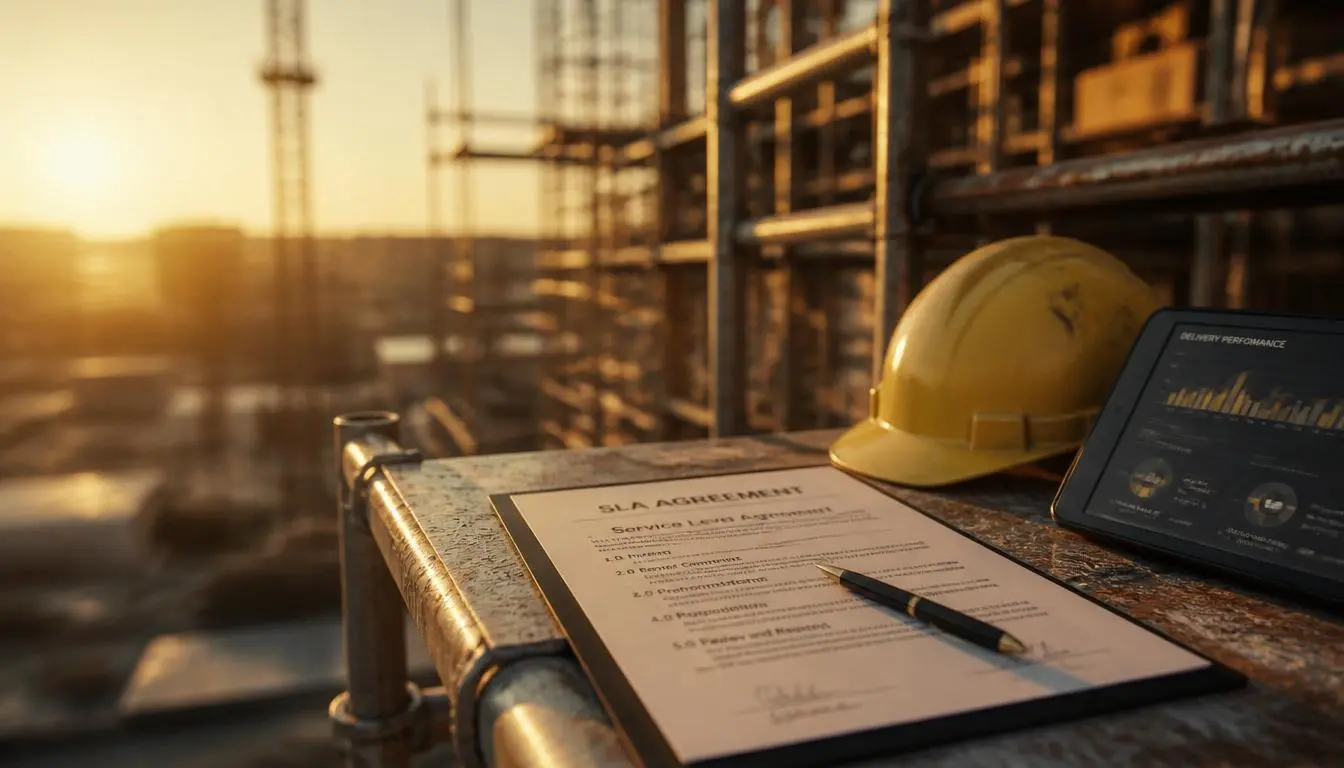

Heavy machinery might dominate the initial project budget, but structural access materials are where construction firms quietly bleed capital. Every day scaffolding on rent sits on an active site, it is subjected to heavy structural loads, monsoon weather, and rough handling. Over time, unmonitored equipment degradation transforms a valuable fleet of structural steel into a massive financial liability.
Conducting a rigorous scaffolding material wear audit is not just about ticking a safety compliance box; it is a critical financial exercise. When site engineers fail to systematically track rust scaling, tube thinning, and weld fatigue, procurement teams end up absorbing massive out-of-pocket replacement costs that eat directly into bottom-line project margins. To truly protect your capital investment, your operations team needs a standardized physical auditing protocol, paired with an accurate understanding of the scaffolding depreciation rate to keep the corporate balance sheet accurate.
This guide provides a complete, end-to-end framework for both physical site audits and financial depreciation tracking. We will break down exactly how to evaluate your assets and build a reliable scaffolding inspection checklist to safeguard your inventory from the day it mobilizes to the final demobilization.
The Financial Impact of Unmonitored Inventory Degradation
When structural materials are deployed across multiple harsh construction environments, the elements immediately begin taking a toll. Unmonitored inventory degradation, such as rapid rust accumulation and metal thinning, doesn’t just compromise site safety it systematically destroys your project margins. If site managers aren’t actively monitoring the condition of the steel, a fleet that was expected to last ten years can become scrap in just three.
The loss of structural integrity in weight-bearing components means the materials can no longer safely support concrete pours or heavy masonry work. But beyond the physical danger, there is a severe financial penalty. Replacing damaged ledgers, vertical standards, and base plates out of pocket requires sudden, unbudgeted capital expenditure that ruins the profitability of an infrastructure phase.
This is exactly why rigorous b2b scaffolding asset tracking is a mandatory operational requirement. When renting or leasing these materials, the financial stakes are even higher. If your team returns heavily degraded materials to a vendor without proper documentation, you will be hit with hefty replacement invoices. To understand exactly how these penalties are legally enforced and who pays for the damage, it is crucial to review the liability clauses detailed in a standard B2B equipment lease agreement so your firm isn’t unfairly penalized for normal, gradual wear.
Step-by-Step Scaffolding Material Wear Audit Workflow
To establish clear scaffolding wear and tear criteria and protect your project budget, site engineers must follow a standardized protocol during both equipment mobilization and demobilization. Executing a comprehensive scaffolding material wear audit ensures that damaged components are quarantined before they become a safety hazard or an unexpected financial liability.
For maximum accuracy, operations teams should follow this step-by-step auditing workflow:
1. Visual Checks for Rust Scaling and Surface Corrosion
The first step in effective corrosion detection is distinguishing between harmless surface oxidation and destructive rust scaling. Light, powdery surface rust is standard for bare steel exposed to the elements and does not immediately weaken the material. However, thick, flaking rust scaling indicates that the steel is actively deteriorating and losing mass.
Expert Tip: Do not just inspect the exterior of the pipes. Always check the internal tube walls. During heavy regional downpours, water frequently pools inside open vertical tubes especially on complex horizontal builds like a rolling bridge scaffolding in Bangalore causing severe internal corrosion that remains completely invisible from the outside.
2. Measuring Tube Thickness and Structural Deflections
A visual check is not enough; auditors must physically measure the tube thickness. Site engineers should use digital calipers to measure the wall thickness of the steel pipes and compare these exact readings against the manufacturer’s original baseline specifications.
This data is critical because even a millimeter of thickness loss drastically reduces the equipment’s safe load-bearing capacity. Any structural tube showing permanent deflection (bending) or a thickness reduction beyond acceptable tolerances must be immediately downgraded or scrapped.
3. Evaluating Cuplocks, Standards, and Ledgers
Finally, the audit must isolate the individual connection points and locking nodes. Proper scaffolding maintenance procedures require a detailed inspection of base plates, vertical supports (standards), and horizontal bars (ledgers).
Inspectors should look specifically for hairline weld fractures or stress bending at the joints. Identifying standard and ledger defects early is non-negotiable for maintaining strict compliance with Indian IS 4014 safety standards. For heavy-duty systems like a cuplock scaffolding rental, a single compromised joint can trigger a localized structural failure under the weight of heavy masonry, making joint integrity the most critical phase of the physical check.
Creating a Standard Scaffolding Inspection Checklist for Sites
Translating a comprehensive audit workflow into a daily or weekly site routine requires a highly structured scaffolding inspection checklist. Without a written framework, even experienced site engineers can overlook critical stress points during a fast-paced walk-through. A standardized list guarantees that your scaffolding maintenance procedures remain consistent, regardless of which contractor is managing the current project phase.
To make the checklist practical and easy to execute on the ground, organize the checkpoints logically from the foundation upward:
- Foundation and Base Levels: Verify that sole boards are resting on stable, compacted ground. Ensure adjustable base plates are not over-extended and that the threads are free from heavy rust or damage.
- Vertical Tubes and Locking Nodes: Inspect all standards (verticals) and ledgers (horizontals) to ensure they are perfectly plumb and straight. Check every cuplock node, coupler, and bracing clamp to confirm they are tightly secured and show no signs of weld fatigue.
- Horizontal Boards and Walkways: Confirm that all steel or timber planks are fully seated with zero gaps or overlaps. Inspect the boards for bowing, severe denting, or missing safety features like toe boards and guardrails.
Practical Insight: Pair your checklist with a strict physical tagging protocol. Once the inspection is complete, a signed “Green Tag” at the ladder access point indicates the structure is safe for the week. A “Red Tag” immediately communicates that the materials have failed the audit and are quarantined for demobilization or scrap.
Accounting for Scaffolding Depreciation Rate and Lifespan
Once the physical site audit is complete and the material status tags are applied, the operational data must flow directly to the finance department. While site engineers focus on rust and load capacity, accountants must translate that physical wear into a financial write-off. Under the guidelines of the Indian Income Tax Act, heavy steel structural materials are officially classified within the “Plant and Machinery” asset block.
For corporate tax filing purposes, the standard scaffolding depreciation rate is generally fixed at 15 percent annually. Properly claiming this depreciation allows construction firms to legally offset their taxable income, cushioning the financial blow of maintaining a massive physical inventory.
Written Down Value (WDV) vs. Straight-Line Method
When determining how to calculate scaffolding depreciation for internal accounting, procurement teams usually debate between two primary methods: Straight-Line and Written Down Value (WDV).
The Straight-Line method subtracts a fixed, equal amount of the asset’s value every single year until it reaches zero. While simple to calculate, it does not reflect the reality of construction sites. In contrast, the WDV method calculates depreciation as a fixed percentage of the remaining balance each year.
For reliable b2b scaffolding asset tracking, the WDV method is vastly superior. Rental assets like heavy steel tubes and cuplocks lose their maximum market value early in their lifecycle during their first few aggressive deployments. WDV front-loads the financial write-off, perfectly matching the aggressive early physical wear of the materials. This ensures your balance sheet reflects the actual, current-day value of your fleet, rather than an artificially inflated number.
Best Practices for Preserving B2B Scaffolding Assets
While the Written Down Value method aggressively depreciates assets on paper, physical preservation is what actually keeps operations running safely. Site engineers and warehouse managers can significantly slow down the physical degradation rate and protect capital by implementing strict, standardized scaffolding maintenance procedures both on-site and during storage.
To prevent accelerated rust and structural fatigue, implement these core practices:
- Controlled Storage Yards: Never store steel scaffolding directly on soil. The ground absorbs moisture, causing immediate base rust. Always store tubes and base plates on elevated timber dunnage (at least 6 inches off the ground) in a well-drained, covered yard area.
- Preventative Rust Inhibitors: Before long-term storage, apply industrial-grade rust inhibitors or light oil coatings to bare metal connection points, threaded base plates, and cuplock nodes. This is particularly crucial for highly sensitive assets like cleanroom scaffolding, where preventing atmospheric moisture and rust scaling is heavily audited.
- Safe Handling Protocols: Strictly forbid the practice of dropping or throwing ledgers and standards off the side of a building during dismantling. Impact bending permanently destroys the load-bearing capacity of the steel, rendering the asset useless for future projects.
- Clean Before Return: To avoid penalty charges outlined in your equipment lease, ensure all materials are thoroughly cleaned of cured concrete, mortar, and heavy mud before they are demobilized and shipped back to the vendor’s yard.
Common Mistakes in B2B Scaffolding Wear Tracking
Even with a robust audit workflow in place, site engineers and procurement teams frequently stumble over how they interpret and record asset degradation. A minor misjudgment on the ground doesn’t just skew your internal accounting; it can trigger massive financial disputes when returning leased equipment to a vendor.
The most frequent error operations teams make is relying purely on visual inspections. It is incredibly common for site auditors to approve a demobilization batch of steel simply because the paint looks intact or there is no obvious surface rust. However, a quick visual pass cannot confirm internal structural integrity. If a ledger has been stressed beyond its load capacity internally or suffered microscopic weld fractures, it will look fine to the naked eye but fail catastrophically under the weight of the next concrete pour. This is why caliper measurements and joint stress tests are non-negotiable.
The second major pitfall is conflating normal wear with chargeable damage. In B2B equipment rentals, financial liability hinges entirely on the exact scaffolding wear and tear criteria defined in your contract. Normal usage on a rough construction site will inevitably cause minor scratches, light surface oxidation, and paint chipping. This gradual degradation is legally acceptable and is absorbed by the lessor’s standard depreciation rate.
However, site teams often fail to document actual chargeable damage such as tubes permanently bent by forklift strikes, deep rust scaling caused by improper yard storage in mud, or missing base plate threads. If your auditors do not clearly separate acceptable, gradual wear from severe, negligent damage on their daily checklists, your finance department will end up paying premium replacement fees for materials that simply aged naturally on the job.
Frequently Asked Questions (FAQs)
Navigating the financial and physical realities of inventory degradation can be complex for procurement and site teams. Here are direct, actionable answers to the most common queries regarding the scaffolding depreciation rate and standard auditing protocols.
What is the standard lifespan of steel scaffolding?
When properly maintained with rust inhibitors and elevated yard storage, B2B steel scaffolding typically lasts 10 to 15 years. However, high-frequency usage in harsh, coastal, or monsoon environments without regular maintenance can drastically reduce its structural integrity to just 3 to 5 years.
How often should a scaffolding inspection checklist be executed?
To maintain site safety and accurate wear tracking, a formal scaffolding inspection checklist must be executed pre-handover, every 7 days while the structure remains active on-site, and immediately following any extreme weather events like heavy monsoons or high winds.
Contact Sri Kanakadri Scaffolding Today!
Phone: +91 9113276916
Visit our My Business for Directions

About Sri Kanakadri Scaffolding Author – Sri Kanakadri provide Bangalore’s most reliable scaffolding on rental services, offering safe, cost-effective, and top-quality scaffolding rental solutions for all construction projects. With years of expertise, Sri Kanakadri Scaffolding is committed to delivering exceptional scaffolding on rental services in Bangalore that exceed client expectations. Our focus is on safety, quality, and affordability for every construction project. e specialize in scaffolding hire in Bangalore, offering reliable and cost-effective scaffolding rental solutions tailored to your needs. From construction scaffolding services to industrial scaffolding on rent, we ensure precision, safety, and efficiency in every project. Trust us for affordable scaffolding rentals that guarantee unmatched professionalism and reliability.