Bangalore’s massive IT corridors from Whitefield to the Outer Ring Road are known for their impressive commercial architecture. However, maintaining the sprawling glass lobbies and high-ceiling voids in these tech parks presents a serious logistical challenge for facility managers. Reaching a 50-foot ceiling to clean a skylight or change an HVAC unit usually means building a massive steel tower from the ground floor up. Doing so blocks daily foot traffic, forces temporary lobby closures, and risks crushing expensive marble or epoxy flooring under tons of metal.
To solve this, engineering teams use horizontal spanning systems rather than building vertically from the ground up. By utilizing a rolling bridge scaffolding Bangalore service, building managers can achieve safe, non-disruptive access directly over indoor voids. This guide explores how these traveling platforms work, the engineering behind them, and why they are the ultimate solution for commercial atrium maintenance.
The Logistical Nightmare of Indoor Void Maintenance
When it is time to perform routine skylight cleaning or essential HVAC maintenance in a high-rise lobby, facility managers face a significant logistical hurdle. Traditional construction access methods simply do not work well indoors. If a contractor attempts to build a standard ground-up scaffolding tower to reach a 50-foot ceiling, the process will take days to assemble and dismantle. This creates a massive physical barricade that disrupts daily foot traffic, forces temporary closures of commercial zones, and creates an unsightly environment for corporate tenants.
Because of these severe disruptions, securing a specialized atrium scaffolding rental is not just about reaching a height; it is about keeping the building fully operational while work occurs overhead.
Common Mistakes: The Danger of Heavy Steel Indoors
One of the most critical errors a contractor can make is attempting to use standard, heavy-duty steel scaffolding inside a commercial tech park. Standard outdoor steel frames are incredibly heavy. When stacked 40 or 50 feet high, the combined weight concentrates massive force into the base plates. This intense pressure can easily crack expensive marble, crush delicate epoxy flooring, and exceed the structural load limits of suspended lobby floors. Furthermore, carrying heavy, dirty steel pipes through pristine corporate environments often leads to property damage and wall gouges before the assembly even begins.
Key Insight: To protect the building and keep foot traffic moving, facility managers must abandon ground-up heavy steel towers and utilize systems that span the empty void from above.
What is a Rolling Bridge Scaffold?
When facility managers need to access the ceiling above a wide, empty space like a massive escalator bank, a decorative water feature, or a fragile reception desk they rely on a highly specialized engineering solution. A rolling bridge scaffold, frequently referred to in the industry as a traveling gantry scaffold, is designed specifically to conquer this exact problem.
Instead of building a single massive tower from the ground floor up, this system utilizes two separate, independent support towers. These parallel mobile towers are erected on solid, safe ground on either side of the obstacle. A high-strength horizontal work platform is then securely locked between them, effectively creating a sturdy bridge over the empty void.
Because the base towers are equipped with heavy-duty casters, the entire suspended staging can be moved as a single, cohesive unit. Technicians can start at one end of a glass atrium, service a row of lights, and simply roll the traveling platform forward to the next section without having to climb down or dismantle the frame.
This horizontal span technology transforms a disruptive, multi-day maintenance project into a seamless operational task. By eliminating the need for ground-level support in the center of the room, the bridge platform has become the absolute standard for modern commercial indoor maintenance.
The Engineering Behind Aluminum Lattice Beams
Spanning a wide gap without floor support requires precise material science. If a contractor attempts to build indoor void access platforms using standard, heavy-duty steel scaffold tubes, the system will fail. Under their own immense weight, long steel pipes will bend and sag in the middle a structural failure known as exceeding the deflection limit.
To conquer this, engineers use high-strength aluminum lattice beams. A lattice beam utilizes a woven, triangular internal structure (similar to the boom of a construction crane) to distribute weight evenly across the entire span. This exceptional tensile strength and load-bearing capacity allows the rolling bridge to safely bridge gaps of up to 10 meters without any dangerous sagging, easily supporting multiple technicians and their tools.
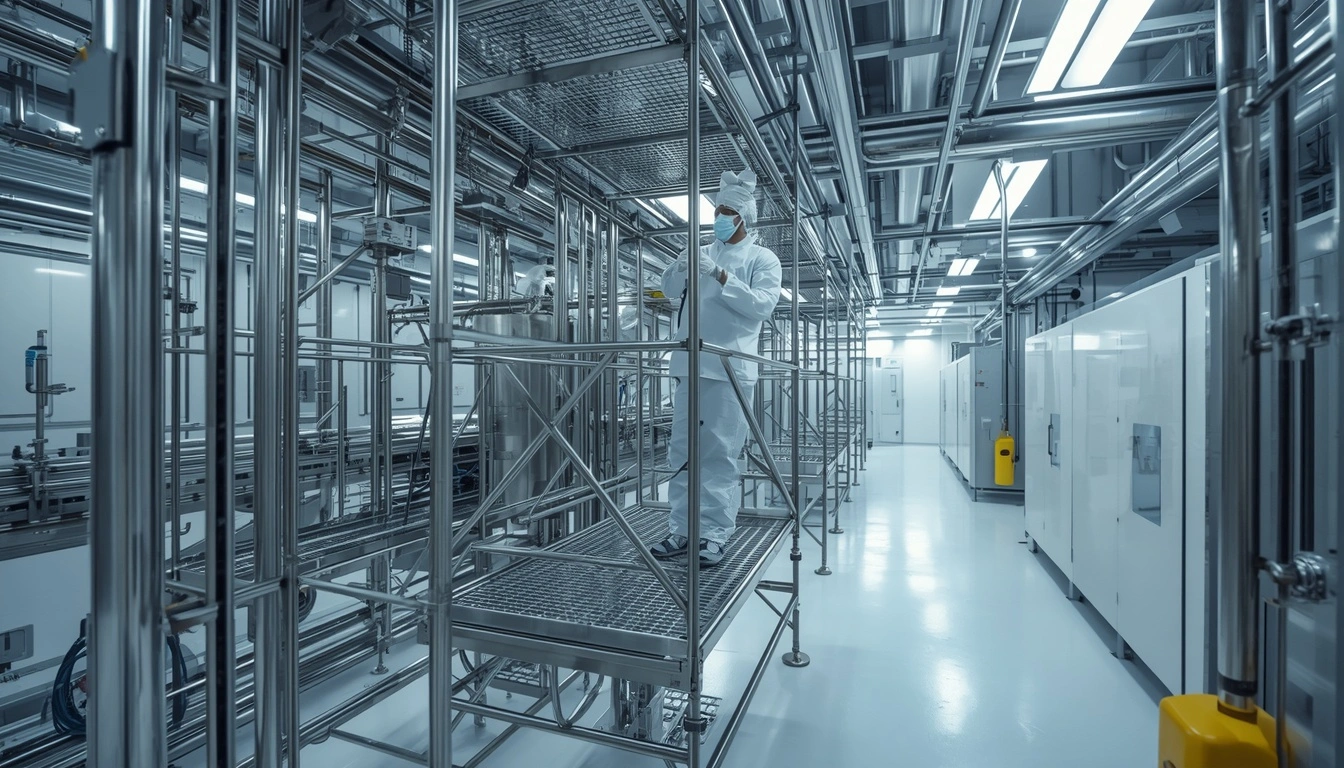
Furthermore, aluminum is the absolute standard for lightweight engineering. Just as advanced metal profiles are mandatory for sterile environments (which you can learn more about in our guide to cleanroom scaffolding in Bangalore), the ultra-light nature of aluminum lattice beams is exactly what allows this massive bridge structure to roll smoothly across fragile commercial floors without causing damage.
Protecting Commercial Infrastructure During Operations
When deploying tech park maintenance scaffolding, the primary concern for any facility manager is protecting the building itself. Commercial lobbies often feature imported marble floors, high-gloss epoxy, or delicate decorative tiling that simply cannot withstand the crushing force of heavy construction equipment.
This is where the structural design of a rolling bridge platform becomes essential. By suspending the horizontal work platform between two separate mobile towers, the system effectively distributes the total weight of the equipment and the workers over a much larger surface area. This intelligent weight distribution significantly reduces the “point load” the specific amount of pressure exerted on a single square inch of the floor beneath the wheels.
Furthermore, standard rubber wheels or rough metal base plates are strictly prohibited in these pristine environments. High-end rolling bridges are equipped with specialized non-marking polyurethane casters. These advanced wheels glide smoothly over delicate surfaces without leaving stubborn black scuff marks, dropping debris, or causing micro-fractures in expensive tile.
Expert Tip: Understanding Point Loads on Marble Lobbies
Before bringing any equipment indoors, always ask your scaffolding engineer for a point load calculation. A standard commercial marble tile can typically handle about 250 PSI (pounds per square inch) before cracking. A properly engineered aluminum rolling bridge on 8-inch polyurethane casters will keep the point load well below this threshold, ensuring zero damage during your maintenance cycle.
Common Applications in Tech Parks & Malls
Commercial IT parks in Bangalore are not just standard office spaces; they are modern architectural showcases. Maintaining these environments requires engineering precision. When facility managers deploy overhead access platforms for commercial buildings, they are typically solving highly specific, recurring maintenance tasks that cannot be safely handled by a standard A-frame ladder or an electric boom lift.
What are the most common uses for a rolling bridge scaffold in a commercial tech park?
- Architectural Glass Cleaning: Safely reaching the interior of massive skylights and floor-to-ceiling lobby windows without splashing cleaning chemicals on active foot traffic below.
- Lighting Upgrades and Replacement: Swapping out heavy, high-bay LED spotlights or repairing decorative chandeliers suspended high above empty escalators or water features.
- HVAC and Ventilation Servicing: Changing massive air filters, inspecting overhead ductwork, and repairing commercial climate control units integrated directly into high ceilings.
- Fire & Safety System Testing: Conducting mandatory annual inspections on high-altitude smoke detectors, fire sprinklers, and emergency public address speakers to maintain building compliance.
By utilizing a horizontal span, maintenance teams can execute these critical tasks smoothly across a wide area. Instead of climbing up and down a single tower, technicians simply roll the platform forward, drastically reducing the overall project timeline.
Safety Standards for Horizontal Spans
When configuring a traveling gantry scaffold over an open indoor void, there is zero room for error. Working 40 or 50 feet in the air without a central tower beneath the platform requires rigorous engineering and safety protocols to ensure both the workers above and the occupants below remain completely safe.
To comply with international safety standards and local industrial regulations, several mandatory features must be integrated into every horizontal rolling span:
- Comprehensive Guardrail Systems: Every rolling bridge platform must feature full perimeter protection. This includes a top guardrail installed at approximately 42 inches, a mid-rail to prevent slips, and robust toe boards along the floor of the platform. Toe boards are absolutely critical in atrium setups because they physically stop dropped tools, bolts, or cleaning bottles from falling over the edge and hitting pedestrians below.
- Integrated Fall Arrest Systems: Technicians working on a horizontal bridge must never rely solely on the scaffolding rails. The system must feature dedicated, engineered anchor points where workers can securely clip their fall-arrest lanyards and harnesses.
- Structural Lockout Mechanisms: While the benefit of a rolling platform is its mobility, it must be completely stationary during active work. Once the tower is rolled into position, heavy-duty wheel brakes and physical stabilizer outriggers must be locked down securely. Moving a platform while personnel or loose tools are on top is strictly prohibited.
By enforcing these strict safety boundaries, commercial facilities can execute high-altitude engineering tasks with the peace of mind that their staff and asset infrastructure are fully protected.
FAQs on Atrium & Void Scaffolding
When planning maintenance over large indoor openings, engineering teams and facility managers frequently raise a few critical operational questions. Below are the most common inquiries regarding the deployment of traveling gantry systems.
What is the maximum safe span for an aluminum rolling bridge?
While exact limits depend entirely on the specific engineering grade of the components, a standard high-strength aluminum lattice beam system can safely bridge horizontal distances between 9 to 12 meters (approximately 30 to 40 feet) without requiring center support. For spans wider than this, custom structural engineering inspections are mandatory to calculate deflection limits and ensure the system remains completely rigid under load.
Can a rolling bridge be moved while technicians are on the platform?
Absolutely not. Moving any mobile scaffolding or traveling platform while workers, tools, or materials are on top is a severe safety violation. Before the casters are unlocked and the bridge is rolled to the next section of the atrium, all personnel must descend to the floor level, and all loose equipment must be cleared or tied down securely.
How long does it take to assemble a standard rolling bridge system?
Because these systems utilize lightweight aluminum components instead of heavy steel, a trained crew can typically erect a standard bridge platform within 4 to 6 hours. This is significantly faster than building a ground-up steel tower to the same height, which often takes multiple days and completely halts facility operations.
Action Steps: Hiring Atrium Access Solutions in Bangalore
Procuring a horizontal spanning system is not as simple as ordering standard construction tubes off the shelf. Because every commercial lobby and tech park features unique architectural dimensions, rolling bridge scaffolding Bangalore services require precise, custom engineering before a single piece of metal arrives at your facility.
To ensure a safe and compliant setup, facility managers should follow this practical action plan when booking a site visit:
- Step 1: Request an On-Site Engineering Survey: Never rent equipment blindly. A qualified scaffolding engineer must physically measure the atrium void, inspect the anchor zones, and verify the structural load limits of your existing floor.
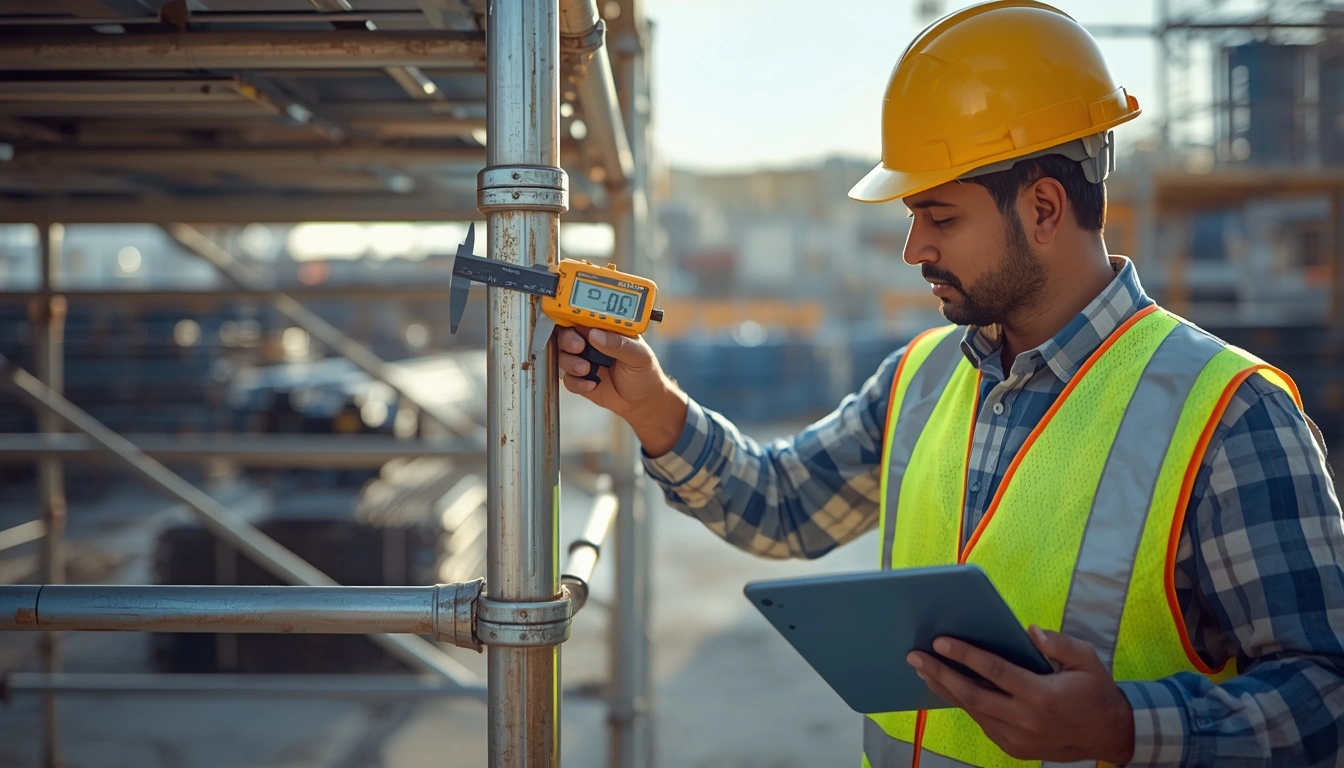
- Step 2: Review the Deflection and Load Calculations: Ask your vendor for the technical specifications. Confirm that they are using high-strength aluminum lattice beams rated specifically for your required span and team weight.
- Step 3: Plan an Off-Hours Deployment: To completely eliminate pedestrian risk, schedule the delivery and assembly of the rolling bridge during the night shift or over a weekend.
Do not let a massive indoor void delay your critical maintenance cycle. If your commercial facility requires safe, non-disruptive overhead access, contact our engineering team today to schedule your comprehensive site assessment and secure the safest rolling bridge solution in the city.
Contact Sri Kanakadri Scaffolding Today!
Phone: +91 9113276916
Visit our My Business for Directions

About Sri Kanakadri Scaffolding Author – Sri Kanakadri provide Bangalore’s most reliable scaffolding on rental services, offering safe, cost-effective, and top-quality scaffolding rental solutions for all construction projects. With years of expertise, Sri Kanakadri Scaffolding is committed to delivering exceptional scaffolding on rental services in Bangalore that exceed client expectations. Our focus is on safety, quality, and affordability for every construction project. e specialize in scaffolding hire in Bangalore, offering reliable and cost-effective scaffolding rental solutions tailored to your needs. From construction scaffolding services to industrial scaffolding on rent, we ensure precision, safety, and efficiency in every project. Trust us for affordable scaffolding rentals that guarantee unmatched professionalism and reliability.