Aluminium Scaffolding vs Steel Scaffolding: Which Is Better for Construction Projects?
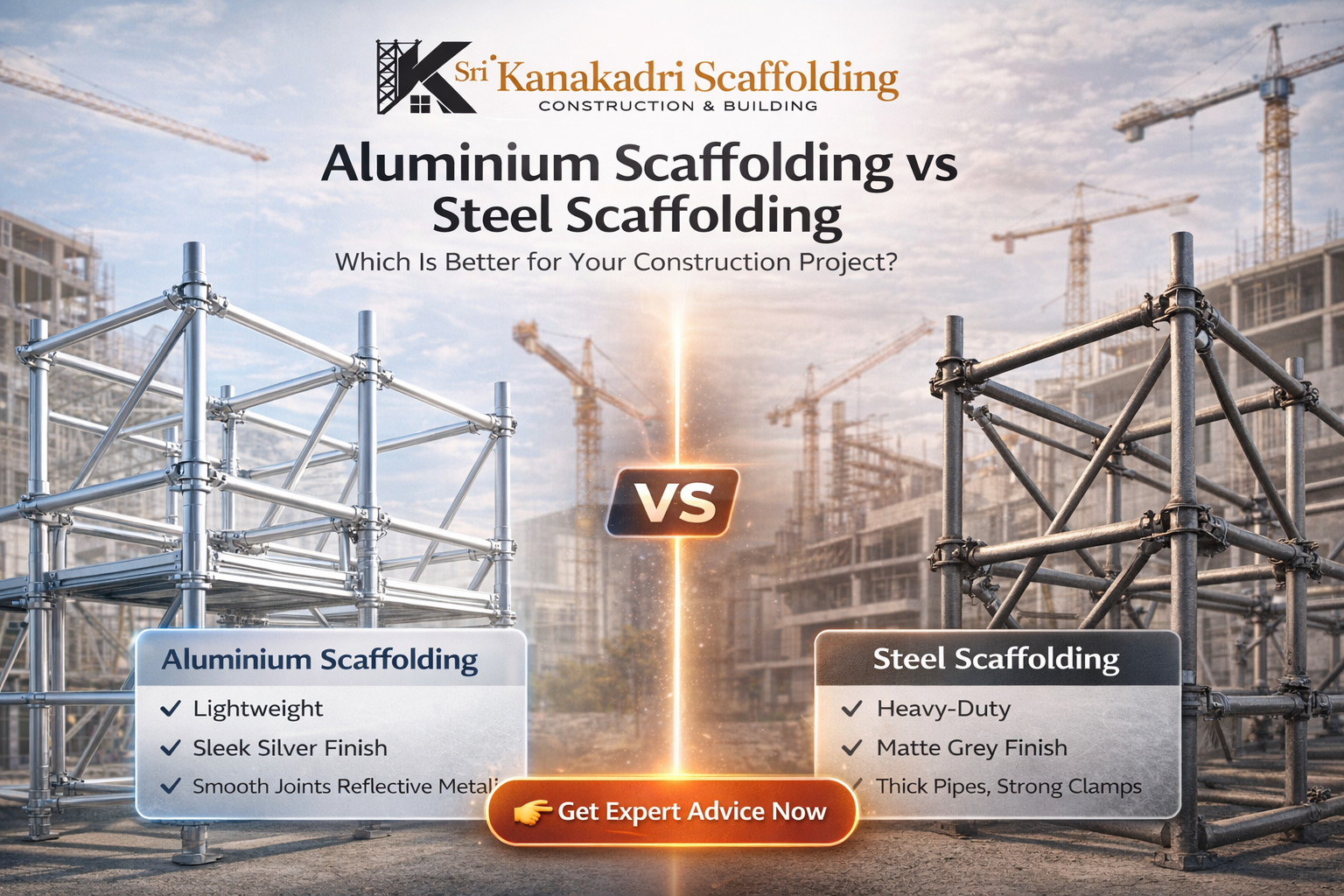
In the fast-paced world of modern construction, time is quite literally money. Whether you are a high-rise developer in Bangalore or a homeowner managing a renovation, one of the most critical, yet often overlooked, decisions you will make is selecting your support system. A common misconception is that “scaffolding is just scaffolding,” but choosing the wrong material can lead to significant safety risks, labor delays, and budget overruns. When weighing Aluminium Scaffolding vs Steel Scaffolding, the choice depends entirely on your project’s unique demands. This guide is essential for contractors, architects, and homeowners alike to ensure that your project stands on a foundation of safety and efficiency. In this comprehensive guide, we will delve into the technical differences, cost-benefit analyses, and specific use cases for both materials. We will also explore local insights from Vijayanagar to help you make an informed decision that balances structural integrity with your bottom line. One-Minute Summary Choosing between aluminium and steel scaffolding involves balancing weight and mobility against heavy-duty load capacity. Aluminium is ideal for quick, high-mobility tasks and interior work, while steel remains the king of high-rise, heavy-load structural construction. For expert guidance tailored to your specific site needs, call Sri Kanakadri Scaffolding at +91 9113276916 today. What Is Aluminium Scaffolding? As construction timelines tighten, the demand for Aluminium Scaffolding vs Steel Scaffolding has shifted toward the former for specific high-efficiency tasks. Aluminium scaffolding is a lightweight, high-strength modular system designed for rapid deployment and ease of movement. The Material Science Behind Aluminium Aluminium alloy is naturally resistant to corrosion, meaning it doesn’t rust when exposed to the elements. This makes it a “cleaner” option, often preferred for hospitals, food processing units, and finished residential interiors. Typical Project Use Cases Interior Maintenance: Its lightweight nature prevents damage to expensive flooring. Electrical & HVAC Work: Easy to move through narrow corridors and doorways. Short-Term Projects: When the cost of labor to set up heavy steel outweighs the material rental cost. Read More On: Guide for Aluminium Scaffolding in Bangalore What Is Steel Scaffolding? For decades, steel has been the backbone of the global construction industry. When comparing Aluminium Scaffolding vs Steel Scaffolding, steel is the undisputed heavyweight champion in terms of raw durability and load-bearing capacity. Structure and Composition Steel scaffolding is typically made from hot-dipped galvanized steel tubes. This coating protects the metal from the harsh outdoor environment, though it requires more maintenance than aluminium to prevent oxidation over several years of use. Ideal Environments for Steel High-Rise Construction: Steel can support massive vertical loads that would buckle lighter materials. Industrial Plants: Used where heavy machinery or large volumes of bricks and mortar must be stored on the platforms. Long-Term Projects: If a scaffold needs to stay up for 12 to 24 months, steel is often the more rugged choice. Aluminium Scaffolding vs Steel Scaffolding: Side-by-Side Comparison To truly understand how to choose scaffolding material for construction, we must look at the technical specifications side-by-side. Feature Aluminium Scaffolding Steel Scaffolding Weight Extremely Lightweight (Easy to transport) Heavy (Requires more labor/trucks) Load Capacity Low to Medium Very High Durability Rust-proof; susceptible to dents Can rust; very resistant to impact Installation Time 3x Faster than steel Slow and labor-intensive Best For Maintenance, Interiors, Mobile tasks Heavy masonry, High-rise, External walls Weight & Mobility Aluminium towers often come with high-quality casters (wheels), allowing a single worker to move a 20-foot tower with ease. Steel, conversely, is usually stationary once erected. Installation Time and Labor Costs This is where the cost difference between aluminium and steel scaffolding becomes apparent. A team of two can often erect an aluminium tower in 20 minutes, whereas the same height in steel might take over an hour and require more hands. Cost Analysis: Which Scaffolding Is More Cost-Effective Long Term? At first glance, steel appears cheaper because the raw material cost of aluminium is higher. However, savvy Real Estate Developers & Project Managers look at the “Total Cost of Ownership.” Upfront Cost vs. Labor Savings While the rental or purchase price of aluminium is higher, the labor savings are massive. If you reduce your setup and dismantling time by 60%, those man-hours can be redirected to actual construction work, speeding up the project handover. Maintenance and Lifespan Aluminium: Virtually zero maintenance. It doesn’t need painting or anti-rust coatings. Steel: Requires periodic inspections for rust and structural integrity, especially in humid climates like Bangalore. 2024–2025 Construction Cost Trends Current industry reports suggest that as labor wages rise, the shift toward aluminium is accelerating. Investing in aluminium vs steel scaffolding for commercial use is often justified by the reduction in project duration. Use-Case Scenarios: Which Scaffolding Is Best for Your Project? 1. Contractors & Builders If you are juggling multiple small-to-medium residential sites, aluminium’s transportability is a game-changer. You can fit a mobile tower in a small pickup truck. 2. Architects & Structural Engineers For complex architectural designs with delicate facades, aluminium is preferred because it requires fewer tie-ins to the building, reducing the risk of exterior damage. 3. Homeowners & Individual Plot Owners If you are painting your house or fixing a roof, aluminium is the best scaffolding for construction project of a DIY nature. It is safer for a novice to handle and won’t crack your driveway tiles. Aluminium Scaffolding in Bangalore: Why Local Expertise Matters Choosing aluminium scaffolding suppliers in Vijayanagar Bangalore provides a logistical advantage. Bangalore’s narrow streets and traffic make the transport of heavy steel a nightmare. Fast Delivery: We offer quick turnaround times for aluminium scaffolding rental near Vijayanagar Bangalore. Site Inspections: Our team provides on-ground assessments to ensure the material matches the soil and wind conditions of the locality. Need a quote? Call Sri Kanakadri Scaffolding at+91 9113276916. Why Choose Sri Kanakadri Scaffolding? We are not just suppliers; we are your project partners. Experience: Decades of supporting Bangalore’s skyline. Safety First: Every piece of equipment is rigorously tested. Transparent Pricing: No hidden transport or “maintenance” fees. Contact Sri Kanakadri for aluminium scaffolding today and experience